← All research
Research programme 03
Cancer behaviour and patient stratification
We examine how altered p53-isoform expression affects tumour invasion, treatment response and patient outcome.
Tumours sharing the same TP53 mutation status can behave differently. The lab investigates how altered expression of specific isoforms changes cancer-cell behaviour.
This work supports a more complete way of stratifying patients by combining mutation status with the isoform repertoire, its ratios and functional consequences.
Approaches
- Patient-cohort biomarker analysis
- Cancer invasion and treatment-response models
- Isoform-resolved expression profiling
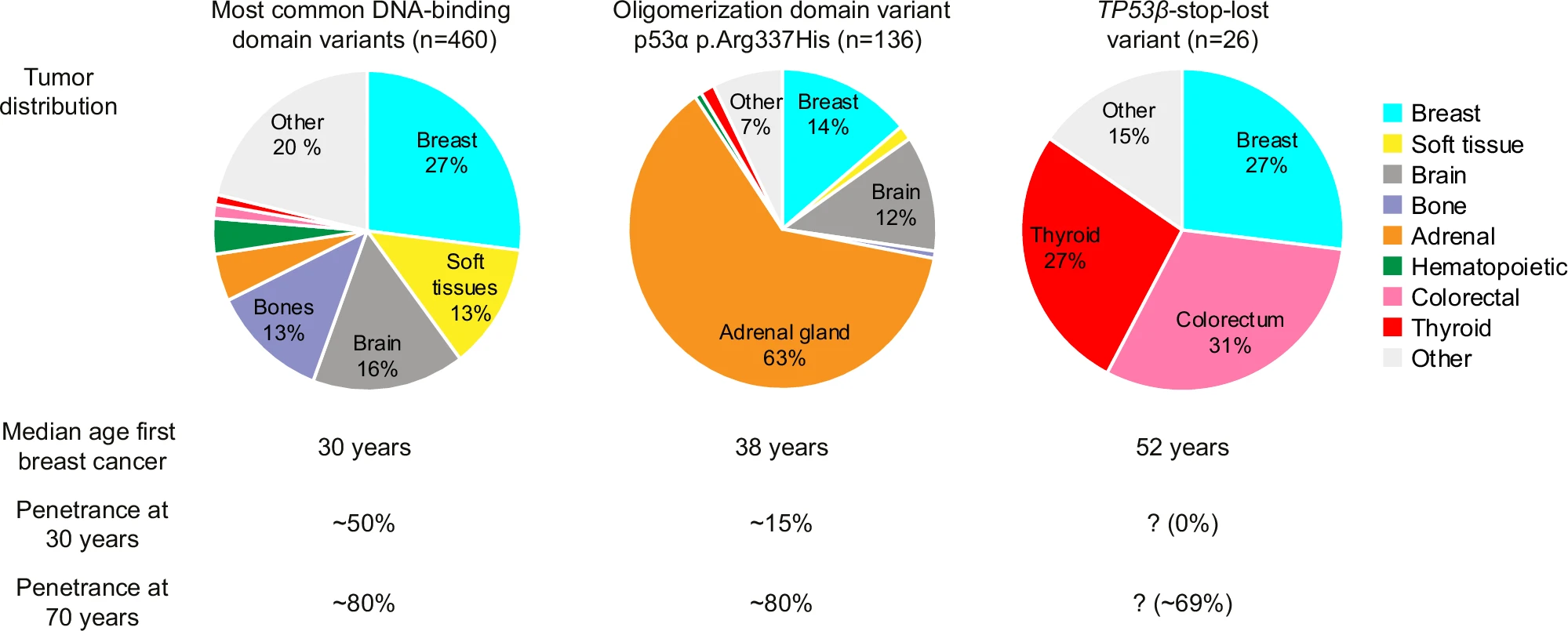
- Familial cancer genetics
Selected work
- TP53 drives invasion through its Δ133p53β variant (2016)
- Elevated p53β variants and survival in melanoma (2023)
- Germline variant affecting p53β isoforms predisposes to familial cancer (2024)