Research

How we investigate the p53 isoform network

Our programmes connect the molecular architecture of TP53 with cell-fate decisions, cancer behaviour and translational opportunities.

01

The p53 isoform network

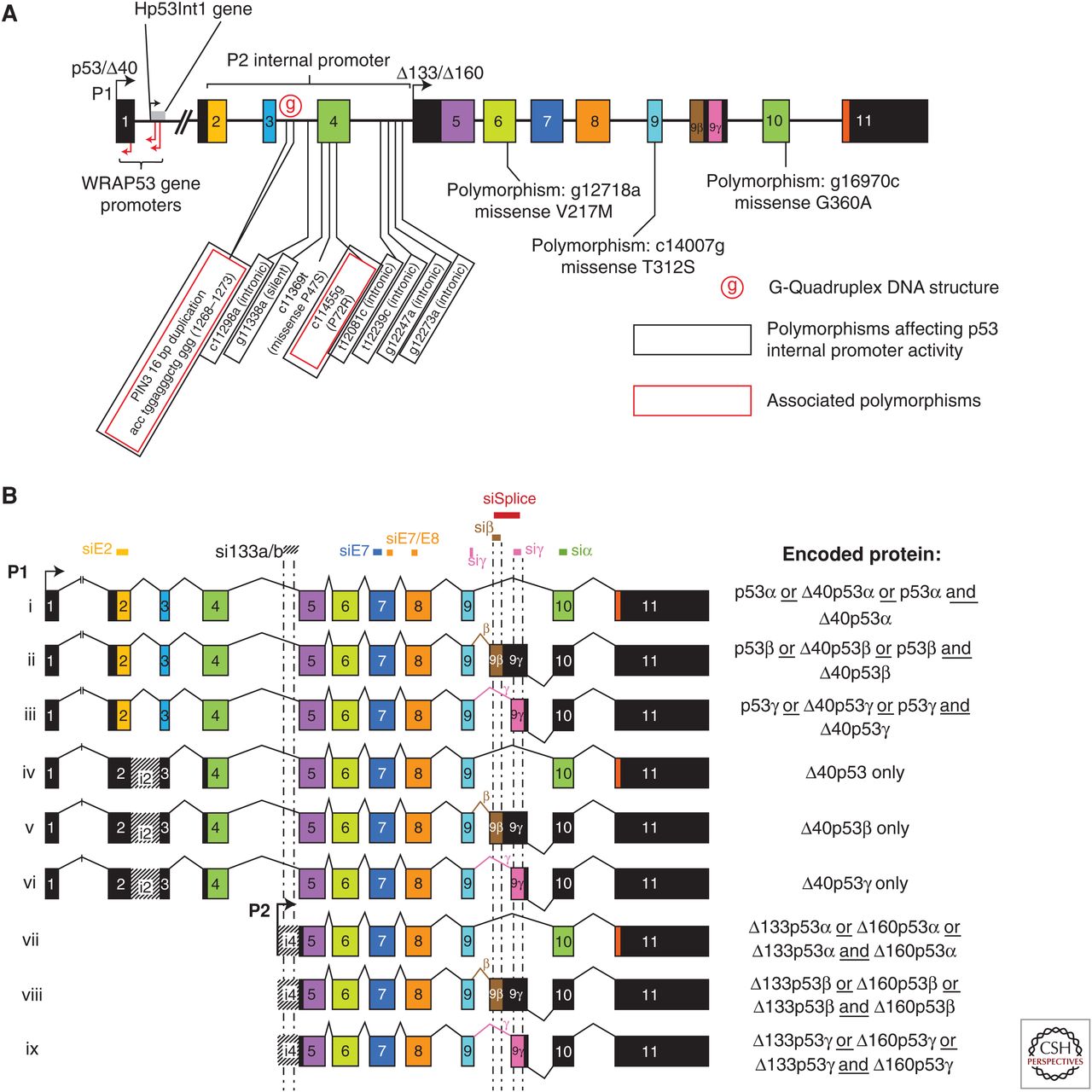
We study TP53 as a multi-protein system. Alternative promoters, translation starts and RNA splicing generate distinct p53 isoforms that combine to shape cellular responses to stress.

Central question

How are individual p53 isoforms produced, regulated and assembled into a functional network?
Explore this programme
TP53 locus and p53mRNAs.
02

Cell fate and adaptive homeostasis

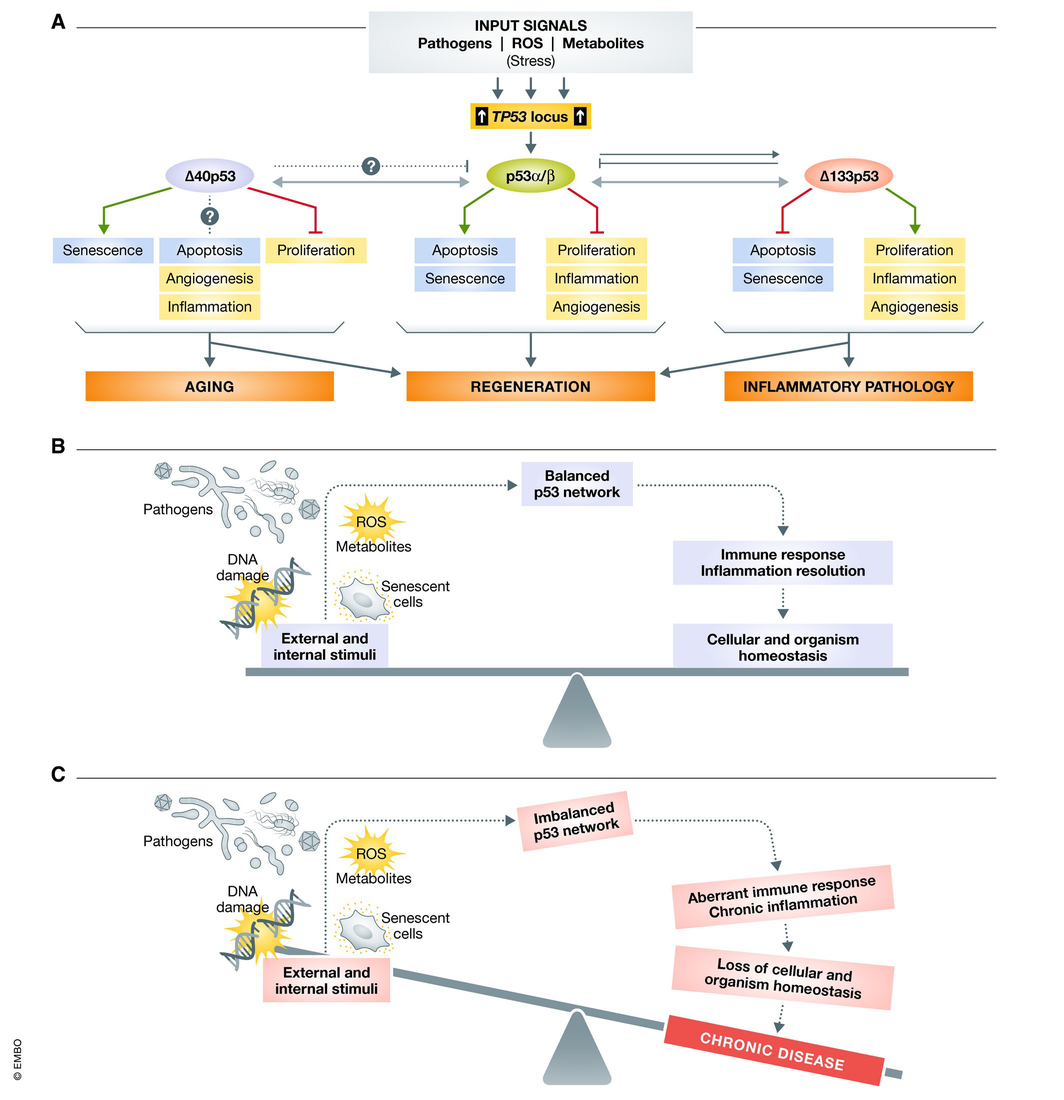
We investigate how p53-isoform balance influences apoptosis, senescence, proliferation, DNA repair and tissue regeneration.

Central question

How does isoform balance translate cellular stress into distinct cell-fate decisions?
Explore this programme
Model illustrating the role of the p53 network in maintaining homeostasis
03

Cancer behaviour and patient stratification

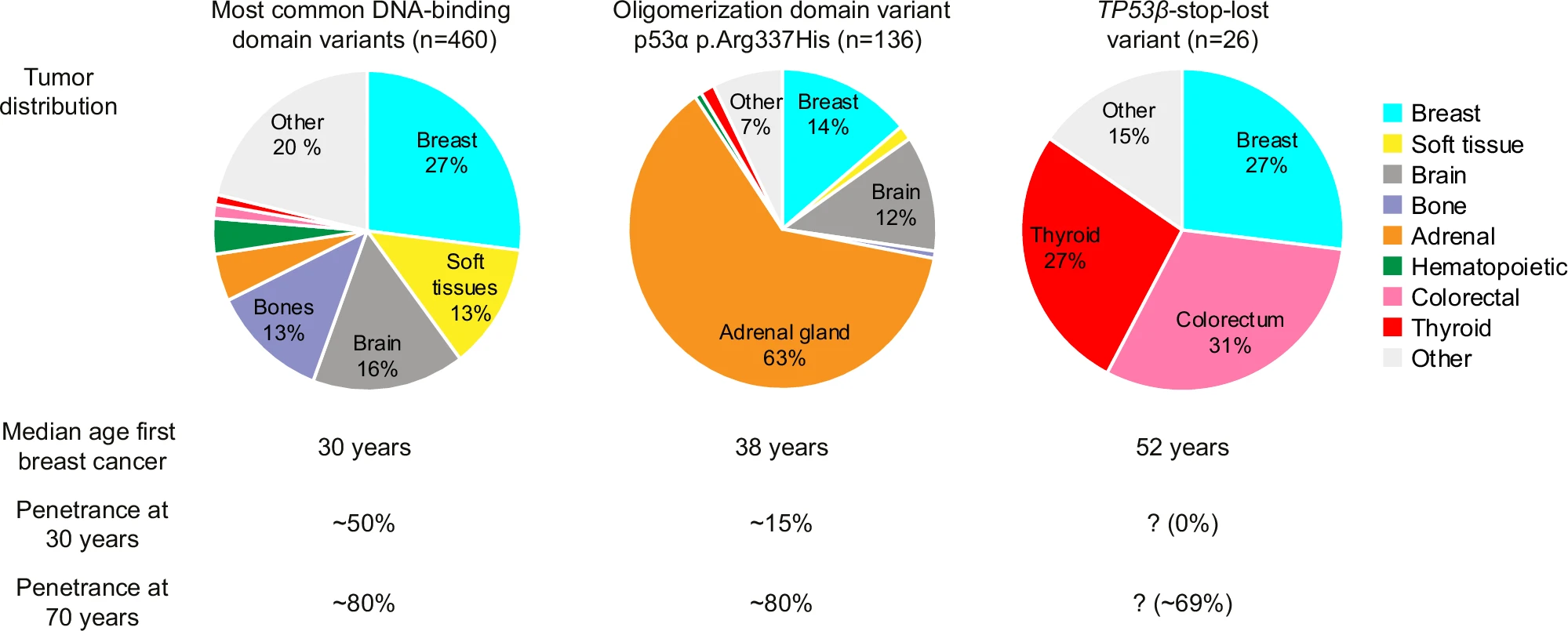
We examine how altered p53-isoform expression affects tumour invasion, treatment response and patient outcome.

Central question

Can p53-isoform profiles explain tumour invasion, treatment response and patient outcome?
Explore this programme
Tumor distribution, median age of breast cancer diagnosis, and estimated penetrance’s are shown for carriers of pathogenic p53 DNA-binding domain variants (left) and the variant encoding p53α p.Arg337His (middle) compared to TP53-stop-lost (right).
04

Diagnostics and therapeutic translation

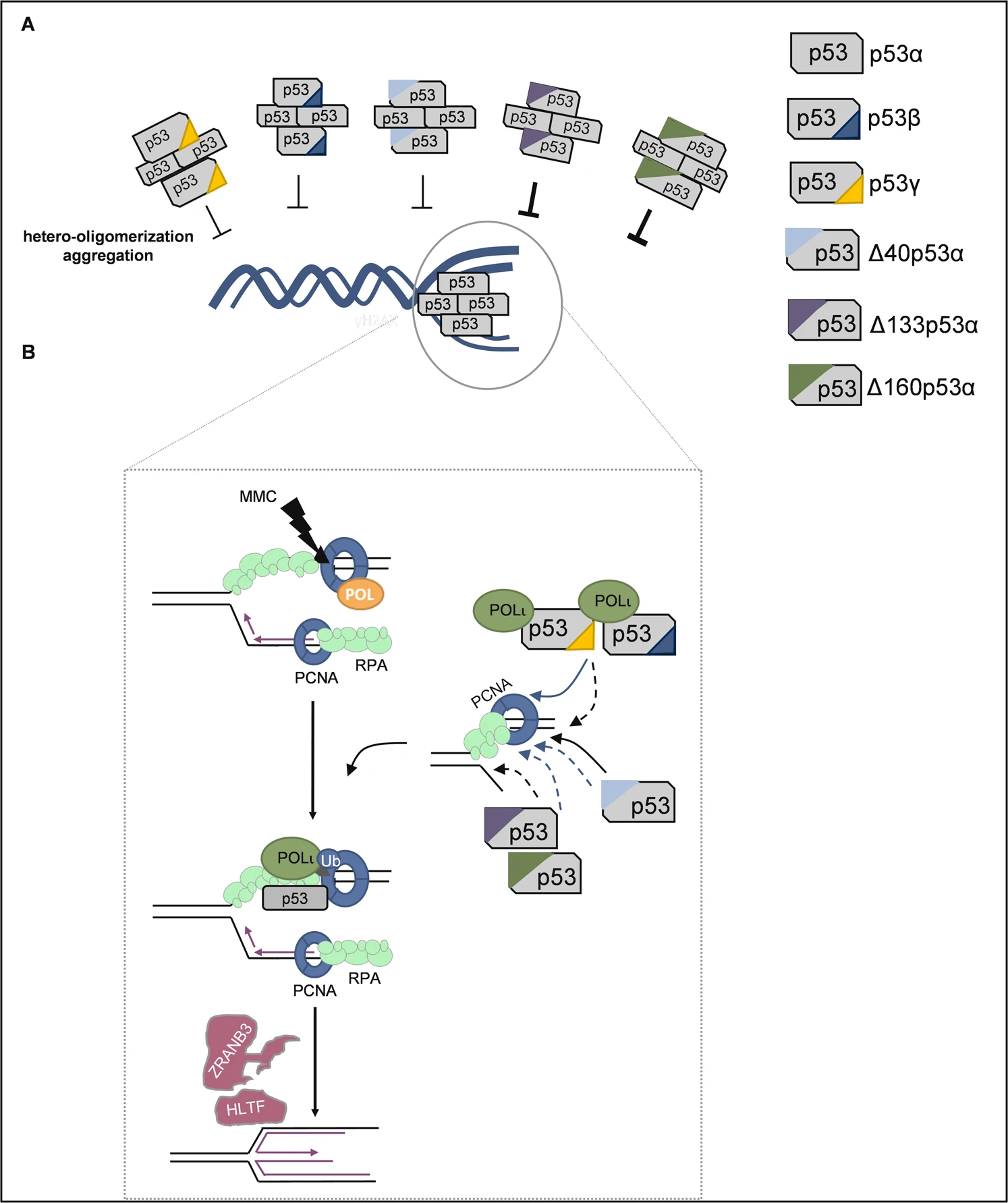
We develop isoform-specific tools and apply them to cancer predisposition, biomarker development and therapeutic strategies.

Central question

How can isoform-specific tools improve diagnosis, disease modelling and therapeutic design?
Explore this programme
Model for the impact of different p53 isoforms on POLι-dependent DDT.